How Long Does It Take to Build a New Home in Onalaska, WI? A 2026 Timeline Guide

Building a new home in Onalaska, WI, is a significant investment, and understanding the full home building timeline from planning to move-in helps families prepare with confidence. This guide breaks down every phase of the home building process for the Coulee Region in 2026, including local permitting steps, seasonal factors, and realistic timeframes.
How Long Does a New Home Build Actually Take?
Most new home builds in the Onalaska, WI, area take 9 to 14 months from first consultation to move-in day. Active construction typically runs 6 to 9 months, but planning and permitting add several more months to the full home building timeline. Families who plan early and make decisions quickly tend to stay closest to their target move-in date.
Phase 1: Planning and Design (2 to 5 Months)
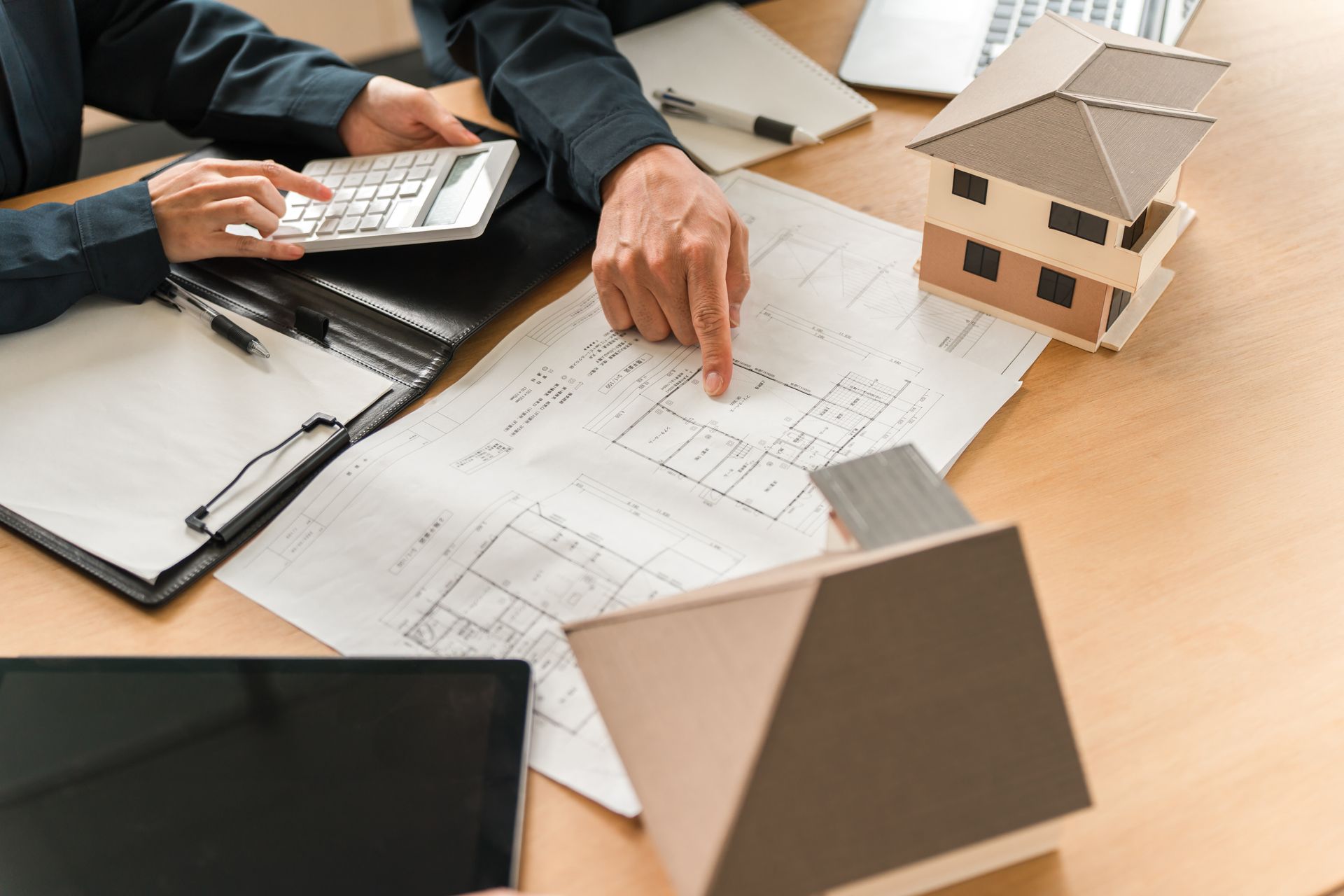
The planning phase is where you choose your lot, finalize your floor plan, select materials, and lock in a builder. Decisions made here drive every phase that follows, and delayed choices are one of the most common causes of build delays. For a custom home in the La Crosse County area, this phase runs 2 to 5 months depending on design complexity.
Phase 2: Permitting and Site Prep (1 to 3 Months)
Permitting surprises many first-time builders with how much time it requires. New single-family and two-family dwellings in Onalaska must be permitted through the state's online ELSA system, which the City processes under Wisconsin Act 211. Builders must hold both a Dwelling Contractor license and a Dwelling Contractor Qualifier Certification to pull residential permits. The City contracts with General Engineering Co. for inspections and permit reviews.
Site prep covers land clearing, excavation, utility connections, and foundation footings. Sites near the bluffs or lower-lying areas near the Black River bottom can require additional grading. Expect this phase to run 1 to 2 months once permits are in hand.
Phase 3: Framing (6 to 10 Weeks)
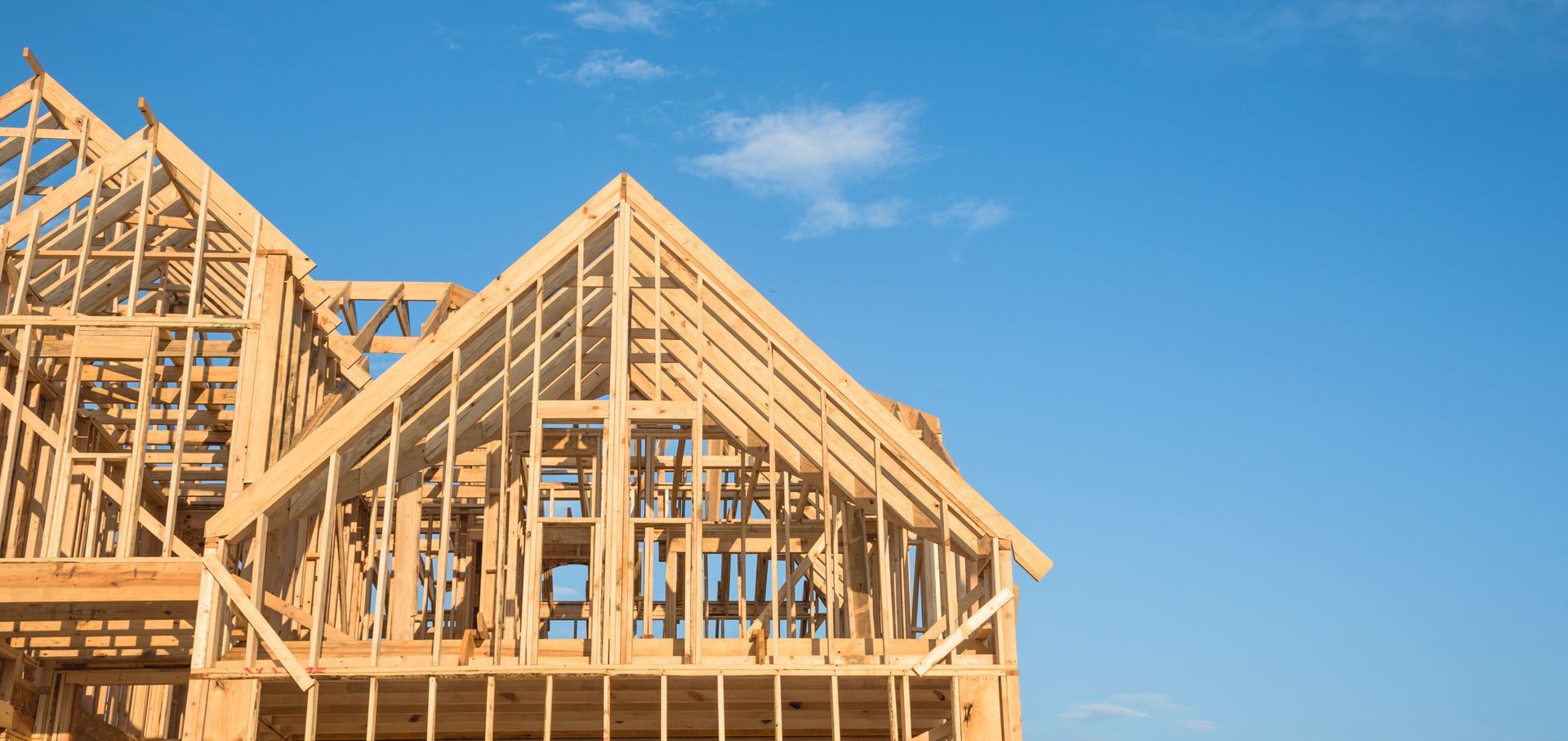
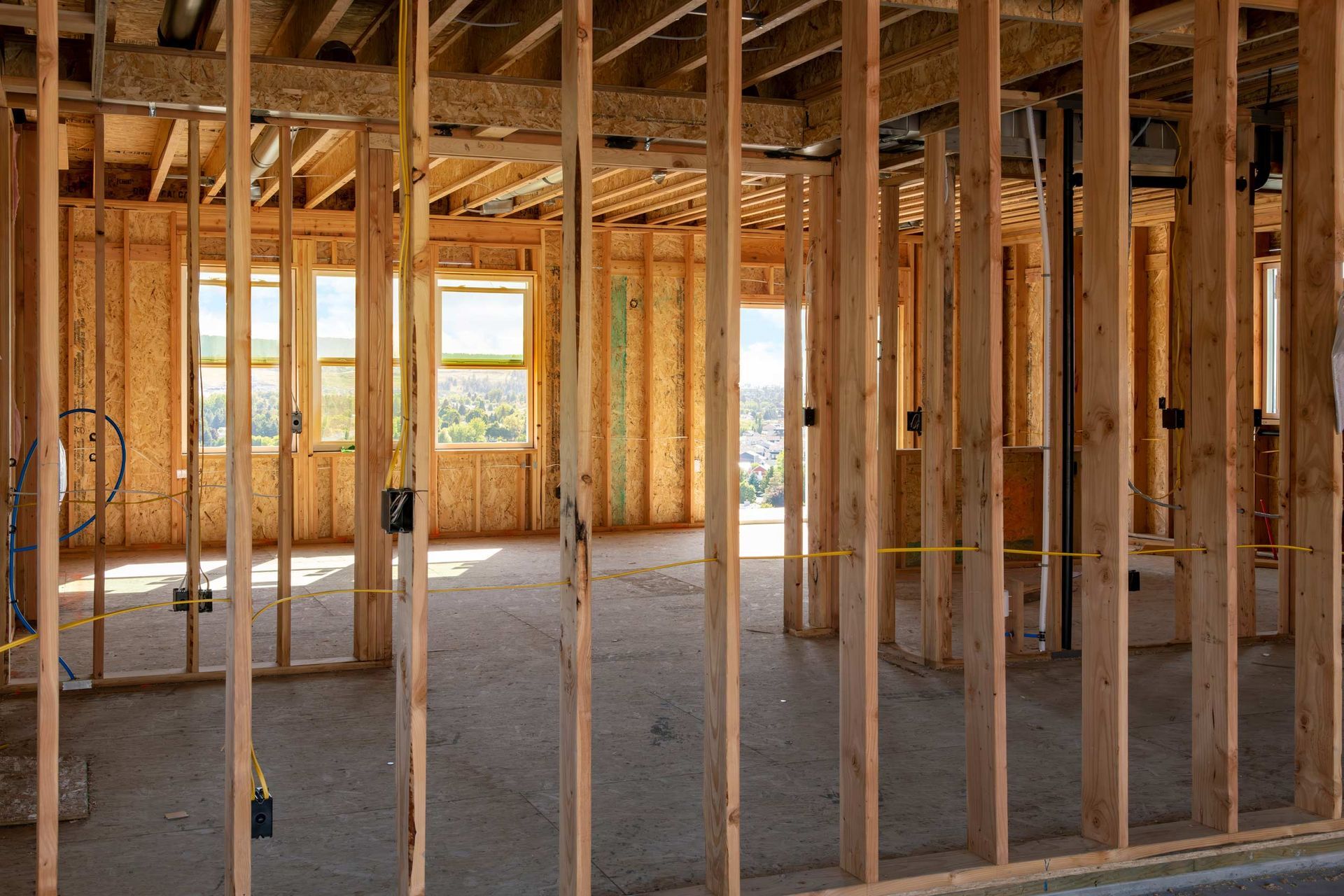
Framing is where your home takes visible shape. The crew builds the floor system, exterior walls, interior load-bearing walls, and roof structure. Standard custom homes typically frame in 6 to 10 weeks. Roof trusses often need to be ordered well before framing begins due to lead times of several weeks, so experienced builders in the La Crosse County area order materials early.
Phase 4: Mechanicals and Insulation (1 to 2 Months)
Rough-in work for plumbing, electrical, and HVAC happens once the frame is dried in. Inspections are required between major steps before work can be covered. Insulation follows rough-in inspections, then drywall. Wisconsin's colder climate makes proper insulation especially important, and homes in the Onalaska area benefit from higher insulation values given the region's significant heating season.
Phase 5: Interior and Exterior Finish Work (2 to 4 Months)
Finish work is where the home comes to life. Cabinetry, flooring, tile, trim, paint, fixtures, and exterior siding all happen during this phase. It is the most sensitive phase for material lead times. Making selections early in the design phase helps protect the schedule against supply-chain delays on specialty items like windows and cabinetry. Builders also aim to complete exterior envelope work before the November freeze-up when possible.
Seasonal Considerations for Onalaska, WI, Builds
Western Wisconsin winters affect excavation, foundation pours, and exterior construction. Ground freezing in La Crosse County typically begins in November and runs through March. Starting a home building project in spring, ideally between April and June, gives crews the best window to complete site work and framing before cold weather arrives. Breaking ground in late summer or fall is possible but may require additional planning around frozen ground and heated concrete pours.
What Happens During Final Inspections?
Final inspections occur once all work is complete. The inspector reviews framing, mechanical systems, insulation, and finish work against the Wisconsin Uniform Dwelling Code. Once inspections are passed and a certificate of occupancy is issued, the home is ready for move-in. Building permits in Onalaska become null and void if construction is suspended or abandoned for 12 months, so maintaining a consistent build schedule matters.
What Can Delay a New Home Build in Onalaska, WI?
The most common delays involve late design decisions, permit processing time, and material lead times for windows, trusses, and cabinetry. Weather can slow exterior phases during a La Crosse County winter. Choosing a builder familiar with local permit requirements, inspection sequencing, and Coulee Region seasonal conditions helps keep the project on track.
This is paragraph text. Click it or hit the Manage Text button to change the font, colour, size, format and more. To set up site-wide paragraph and title styles, go to Site Theme.